
When it comes to self care, I’ve always struggled with consistency. I’d go through cycles of getting inspired, overdoing it, falling off the wagon, and taking forever to get back on track.
Recently, I came across this insight: The question is not what to do. You know what to do. The question is, why are you not doing it despite wanting to? Most of the time, I would attribute it to character flaws. You’re lazy. You’re weak. You’re just not that type of person. I would point it out over and over, holding onto a false hope that self-shaming would coerce me into better habits.
Behaviour Change Specialist Shahroo Izadi suggested that the tough love way we use to speak to ourselves often isn’t very smart love. Imagine if it was someone you love – would you still tell them the same things you’re telling yourself? Would you tell them that they’re weak and stupid for getting off track, and suggest they just throw in the towel? Probably not. The problem is we’re not taking the advice we would give to someone else.
So, the first step is simply to allow ourselves to find whatever we find difficult, difficult. Then, instead of beating ourselves up about it, delve into the story with curiosity and compassion.
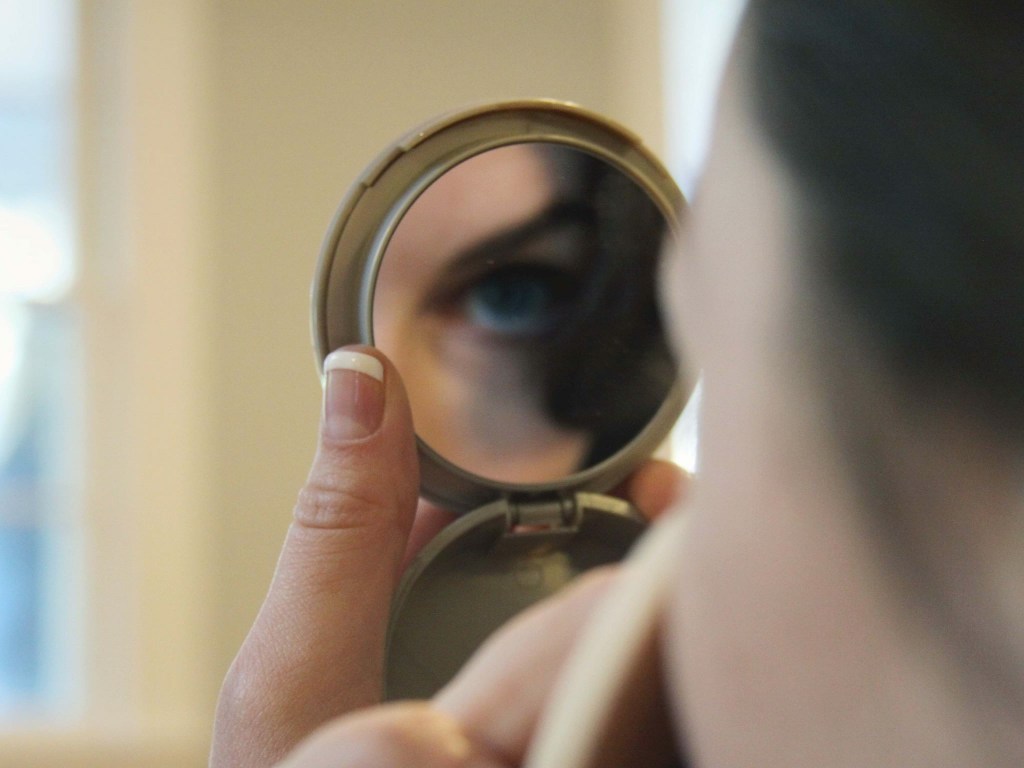
Why, if I have all this information and I want to do this, am I not doing it? How did I come to be this way?
Eating healthier food, getting enough sleep and exercise every day, and saving money are the top three things I struggle with. Each comes with a set of complex layers that contribute to why they came to be. From body image issues, a self identity wrapped in a history of financial strife, to avoiding confronting what I truly want, the roots of these issues run deep.
There’s another layer that I haven’t really disclosed to anyone beyond my closest friends and employers.
In January 2022, after working with me for over a year, my therapist raised the possibility that I might be on the neurodivergence spectrum. She explained that existing studies predominantly focused on men, resulting in underdiagnosis among women due to differences in symptoms presentation. Women are more inclined to be, and adept at, masking their symptoms. But this often leads to various struggles and, in many cases, depression. She had me take a test and, long story short, the results indicated traits consistent with both autism and ADHD.
As my therapist guided me through the symptoms associated with these conditions, a profound sense of relief washed over me. Hypersensitivity to food textures? Explains why I’d rather starve than eat something that might make me gag. Hypersensitivity to stimulation? No wonder I can’t sleep without complete darkness and my trusty ear plugs. Struggles with eye contacts and social gatherings? Explains why I would sometimes tear up when I had to look my bosses in the eye for a prolonged time. Impulse control issues? No wonder a craving or an impulse buy can feel like a do-or-die situation. Rejection sensitive dysphoria? Hello, all my people-pleasing tendencies and failed relationships!
For once, I felt truly seen and understood, as if my experiences were finally being validated.
However, this newfound clarity also brought with it a complex cycle of emotions and behavioral adjustments. Initially, there was relief; my struggles were not merely the result of laziness or personal failings, but rather rooted in neurodivergent traits that warranted understanding and accommodation. Yet, in this relief lurked a risk. My therapist encouraged self-compassion, which is great advice, but also one that I could inadvertently use to enable bad habits and patterns. This cycle often culminated in a return to feelings of shame and self-doubt, and short-term behavior corrections that rarely led to sustained change.
So, instead, as Shahroo Izadi suggested, I am working on being kind and firm at the same time. It means telling myself, when I struggle or get derailed, “Of course I feel awful and uncomfortable. How can I make the pain more bearable? How can I get back on track?” while giving myself the structure that will make it easier to choose behaviors that better serve me, and maintaining clear boundaries.

What self doubt are you going to have to push against and disprove and update?
In the film Before Sunrise, the female protagonist Celine said, “Isn’t everything we do in life a way to be loved a little more?”
It’s almost embarrassing for me to say but it has certainly been true for me.
Deep down, there’s this nagging feeling that I’m never quite enough. For instance, I want to eat better and exercise more because… I believe that if I was smaller, I’d be more lovable.
It’s like I’m on a perpetual quest for self-improvement. Sure, part of it came from a growth mindset and is actually valuable. But there’s another part that came from a conviction that I need fixing before I’m worthy of love or the life I crave.
So, as Shahroo Izadi said, first and foremost, I need to meet myself and get onboard with who I meet. Because what if I never change? Will I never start living? Will I never be kind to myself?
I need to believe that I’m worth choosing with the same intensity I choose to stand by other people. I’m worth the effort I put into my relationships. I’m worth showing up for every day. And then do it.
It’s funny because almost every blog post I write ultimately always comes to this conclusion. Yet, every single time, it feels like an epiphany – which sadly means that I have not internalized it. I read somewhere that life will put you through the same lesson over and over again until you get it. I sure hope I am finally getting it.
Credits:
Images from Stocksnap and Pixabay
 IntotheMarsh